See All

Ambient AI Scribe for Psychologists: Intake, Testing and Feedback Sessions
What an ambient AI scribe is, what it should capture in a psychologist's intake, testing, and feedback sessions, and where it fits alongside the evaluation report.
Author

Reviewed By

Share This
Ambient AI Scribe for Psychologists: Intake, Testing and Feedback Sessions
An ambient AI scribe is software that listens to a clinical session, with the client's consent, and turns the conversation into a draft document for the clinician to review, without the clinician typing during the visit. For a psychologist doing assessments, the useful question is not whether to use one, but what it should capture in each kind of session and what it should leave alone.
Most ambient scribe products were built for medical visits and therapy notes. An evaluation runs differently. It usually has three distinct sessions (an intake interview, one or more testing sessions, and a feedback session), and each one relates differently to the final report.
What does ambient AI scribing mean?
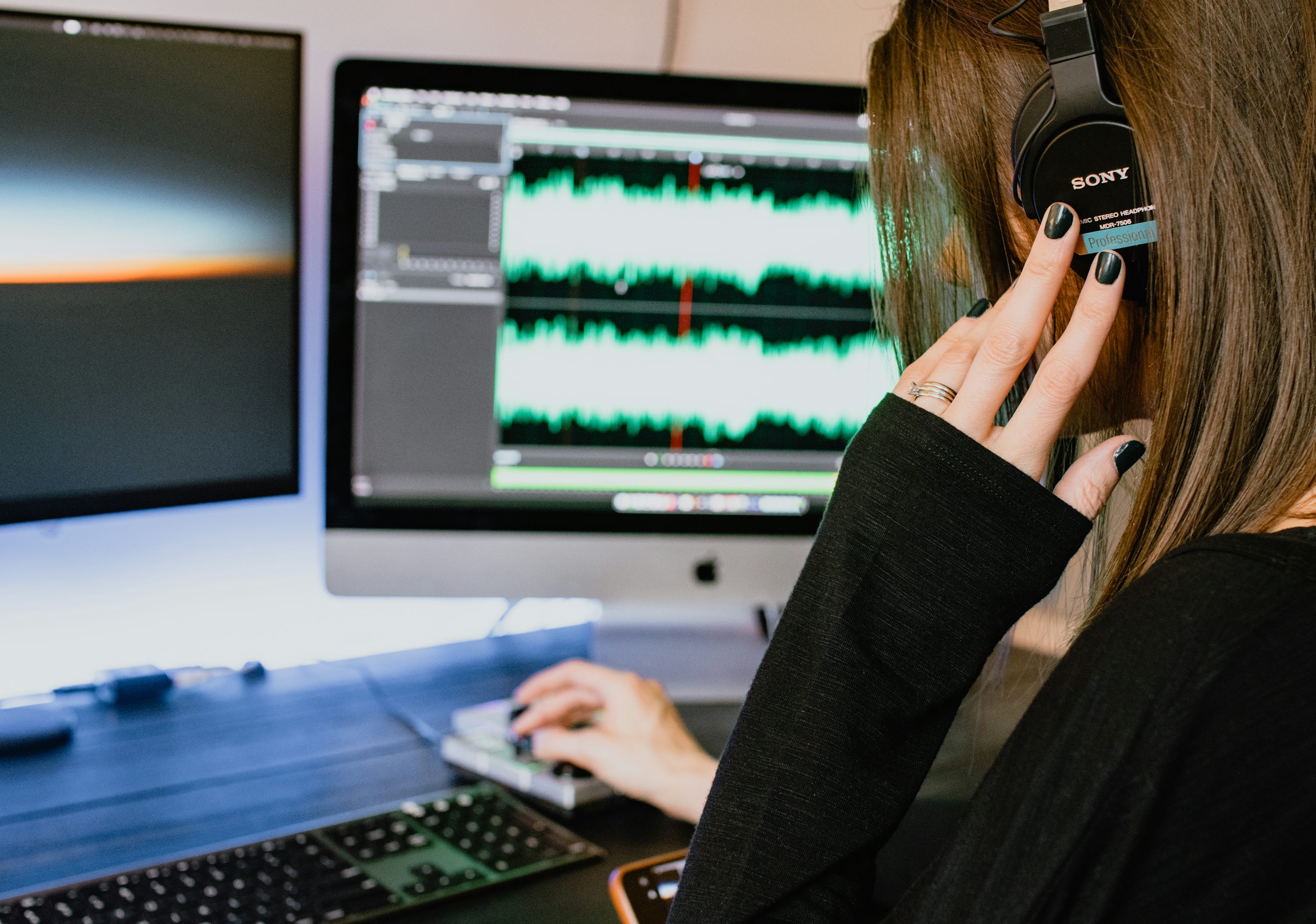
Ambient AI scribing means the tool captures a session in the background, through a phone, laptop, or telehealth audio, and drafts documentation from the transcript. The clinician talks to the client instead of typing on a keyboard, then reviews and edits the draft before saving anything to the record.
You will also see it called ambient listening, ambient clinical documentation, or an AI scribe. The terms overlap. What matters is the workflow: capture, draft, clinician review. The clinician stays responsible for the content. For how capture quality can fail in practice, see our earlier post on ambient listening for psychologists.
Why assessment sessions are different from therapy sessions
A therapy note summarizes one session. An evaluation report integrates history, observations, test results, and recommendations gathered over several sessions into one document. That changes what the scribe does.
In an evaluation, the scribe is not writing the deliverable. It is collecting raw material for the report: history from the interview, behavioral observations during testing, and the family's questions at feedback. The psychologist still provides scores, interpretation, and diagnosis. If you are comparing tools built around the note with tools built around the report, our Psynth vs. Mentalyc comparison covers that split.

Session 1: the intake interview
The intake interview is where an ambient scribe earns the most. It is a long, conversational session, and the history section of the report is built from it. Typing while a parent describes developmental milestones, school history, or a family's concerns pulls attention away from the person talking.
A scribe can reasonably capture:
- Developmental, medical, educational, and family history as the client or parent tells it
- The referral question and the reasons the family gives for seeking an evaluation
- Direct quotes worth keeping in the report, such as a parent's description of a concern
It should not decide:
- Which details belong in the report and which are incidental
- How to characterize a history the informant describes inconsistently
- Anything that should be verified against records
The draft is a starting point for the history section, not a finished one. Our guide to the psychological intake covers what a complete intake should gather.
Session 2: the testing session
Testing sessions are where you should be most conservative. Standardized administration follows a protocol, and the psychologist scores responses while observing behavior. Publisher terms and test security also apply to what you record and store, and those vary by instrument and publisher, so check the manual and the publisher's policy before recording any administration.
What a scribe can help with, where recording is permitted:
- Behavioral observations, such as engagement, frustration tolerance, attention, and response to breaks
- Spoken remarks from the client that are relevant to the report
What it should not replace:
- Item-level scoring and response recording, which stay with the psychologist
- Any judgment about whether an administration was valid
Many psychologists will prefer to dictate a short observation summary after testing instead of recording the administration itself. That is a reasonable choice, and it keeps test content out of the recording.
Session 3: the feedback session
The feedback session is a conversation about findings, diagnosis, and next steps. It is also where families ask questions and where recommendations get refined. A scribe is useful here because the questions families ask, and the way they react, often point to what the written report needs to address.
A scribe can capture:
- Questions the family asks and points they want clarified
- Which recommendations the family agrees to act on
- Follow-up items the psychologist commits to
It should not:
- Alter the report's findings or diagnosis
- Substitute for the clinician's documentation of the feedback conversation, which the clinician reviews and signs
Where the scribe sits next to the report
The scribe's output is source material. The report is the deliverable. A workable division looks like this:
Psynth is built around the report itself: you bring test scores, records, and notes, and it drafts the evaluation for you to review, edit, and sign. Psynth's ambient listening keeps session capture in the same workspace, so interview history and test data aren't split across two tools. The point of that is less rework and less copying between systems. The psychologist still interprets and diagnoses. One Psynth customer, Dr. Lexie Molina, went from 3 to 4 hours per report to about 15 minutes for a first draft.

Consent, privacy and review
Recording clinical sessions involves consent requirements that differ by state and by practice, and additional considerations when the client is a minor. Follow your licensing board's guidance, your state's law and your own practice policies, and consult counsel where you are unsure. Two practical points hold regardless:
- Ask before every recording. Tell the client what is captured, why, and how it is stored.
- Read every draft. A transcript-based draft can misattribute a speaker or drop a qualifier. Nothing goes into the record until the clinician has reviewed it.
For data handling, Psynth's AI vendors retain no data, patient data is never used for training, and Psynth is HIPAA-, PIPEDA-, and GDPR-compliant, has a SOC 2 Type 2 report, and offers a BAA on every plan. Details are on the security page.
How much does an ambient AI scribe cost?
Pricing varies by product and by what is included. Mentalyc, a therapy-notes tool, lists solo plans from $19.99 per month for 40 notes and up to $119.99 per month for 330 notes, and says recording is part of its solo plans (Mentalyc pricing, as of November 2026). Psynth offers ambient listening as a paid add-on at $30 per user per month, billed only for clinicians who used it that month (Psynth pricing, as of November 2026). It is not part of the base plan.
Ready to see it in an assessment workflow?
If your evaluations run from intake through feedback, the most useful test is a real case. Book a demo and bring a de-identified evaluation.
Frequently Asked Questions
What is an ambient AI scribe?
An ambient AI scribe is software that listens to a session with the client's consent and drafts documentation from the conversation. The clinician reviews and edits the draft before it becomes part of the record.
What does ambient AI scribing mean for a psychologist?
It means capturing an intake interview or feedback session in the background so the psychologist can focus on the client, then using the transcript as source material for the evaluation report. The psychologist still scores, interprets, and diagnoses.
Should I record testing sessions?
That depends on the instrument, the publisher's terms, and your practice policies. Many psychologists record intake and feedback sessions and dictate a short observation summary after testing instead. Check the test manual and publisher guidance first.
How much does an ambient AI scribe cost?
It varies by product. Psynth's ambient listening is a paid add-on at $30 per user per month, billed only for clinicians who used it that month, per psynth.ai/pricing as of November 2026.
Is ambient listening included in Psynth?
It is available as a paid add-on on every plan. It is not part of the base plan.
Is an ambient scribe the same as an AI report writer?
No. A scribe captures and drafts from a conversation. A report tool like Psynth drafts the evaluation from test scores, records, and notes. Psynth's ambient listening feeds the report workspace, and the psychologist reviews everything.
See Psynth work in real time
We’ll demo an end-to-end report writing process and answer any questions along the way. (Yes, it’s so quick, we can get through it all during a single call.)