See All
Zero Data Retention AI: Privacy Architecture for Psychology
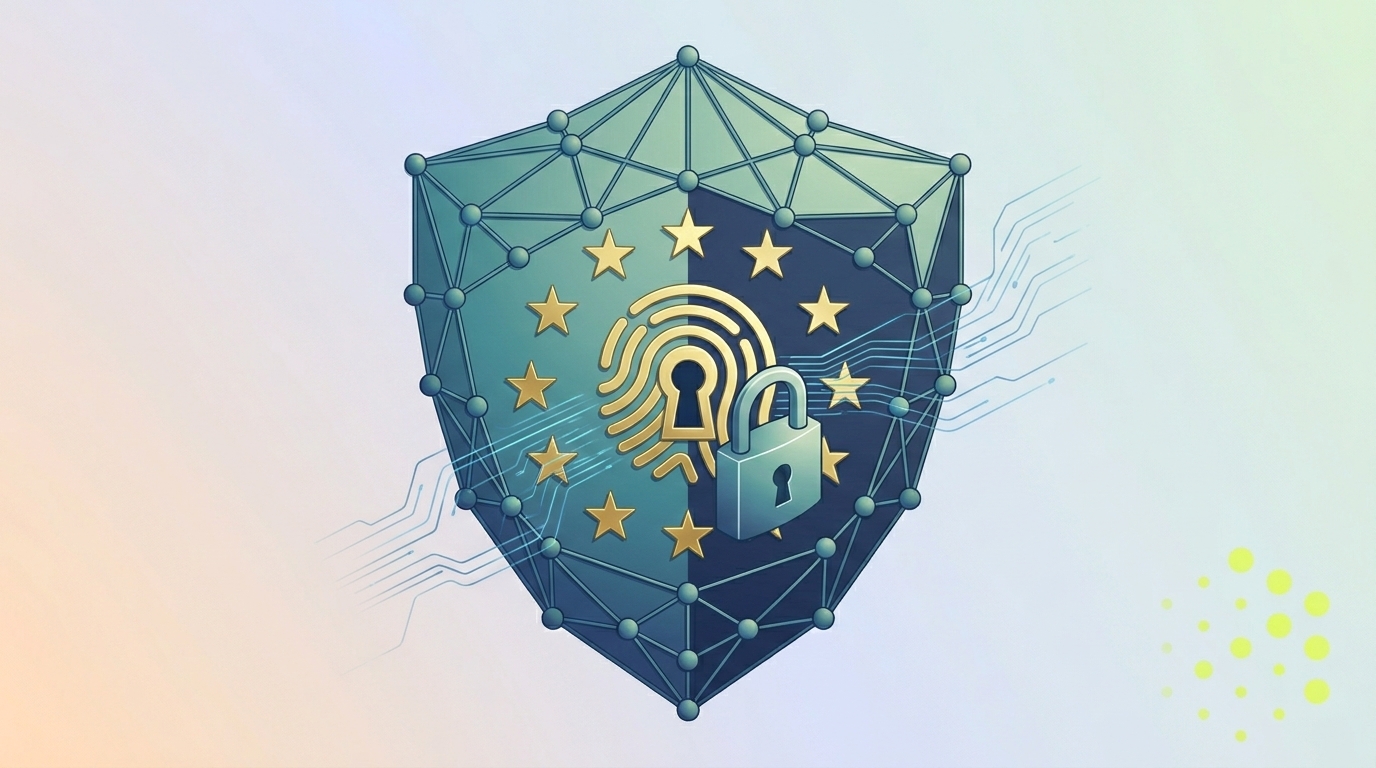
Zero data retention AI means client data is processed but never stored or retained. Learn what it means, why psychology requires it, and how to verify vendor...
Author

Reviewed By

Share This
Zero Data Retention AI: The Architecture Psychology Needs
You're uploading WISC-V subtest scores into an AI tool at 9 pm. You hit submit. And somewhere in the back of your head, a voice goes: where does this actually go?
That question matters more than most vendors want to acknowledge. Zero data retention AI isn't a feature; it's an architectural decision, and the difference between a tool that claims it and a tool that can prove it is not trivial. Especially not when you're handling psychoeducational reports on eight-year-olds or forensic evaluations that could show up in custody proceedings.
This post is about what zero data retention AI actually means, technically; why it matters more in psychology than in most other fields; and how to tell whether a vendor's claim is real or just a line in their marketing copy.
The Data Leakage Problem in Clinical AI
Here's the thing: most practitioners don't realize that many AI tools default to retaining your inputs. Not indefinitely necessarily, but long enough to log, review, and potentially use for model improvement. That's not speculation, that's just how most large language model deployments work commercially. The research on zero data retention in enterprise AI from arXiv makes this pretty clear — most platforms studied, including well-known enterprise tools, maintain some form of input logging unless explicitly configured otherwise.
The risk isn't abstract. If a tool retains the text you submitted, even temporarily, that text can show up in breach exposures, subpoenas, internal audits, or in training pipelines that were never disclosed to you or your client. And if that text contains a child's name, a diagnosis, a custody evaluation summary, that's not a theoretical compliance issue; it's a real one.
For a broader context on how this problem shows up in practice, the privacy and security in AI-powered report writing breakdown covers the data-handling practices to know before you pick a tool.
KEY TAKEAWAY: Default AI behavior is to retain inputs. Zero-data-retention AI requires an explicit architectural decision, not just a settings toggle.
What Zero Data Retention AI Actually Means
The phrase gets thrown around a lot. So let's actually define it.
Zero-data-retention AI means that when you submit data to a system, the system processes it in memory, returns a result, and then deletes everything, with no logs, no storage, and no training use. The data moves in, gets processed, moves out, and nothing persists after the session closes. The relevant data privacy terminology here includes ePHI handling, ephemeral processing, and session-scoped data, all worth knowing before you read through a vendor's terms of service.
Zero Retention vs. Encryption vs. Data Minimization
This is meaningfully different from encryption. Encryption protects data at rest or in transit; it doesn't mean the data isn't there. A system can be encrypted and still retain your inputs for 30 days. Zero data retention AI and encryption solve different problems:
You can minimize data collection and still retain what you do collect. Zero data retention AI is more absolute than that, and harder to actually implement because it means giving up the ability to use that data for anything downstream, including debugging.
The Architectural Tradeoff
That tradeoff is real. A system with genuine zero data retention AI can't use your inputs to improve itself over time, can't run retrospective analytics on usage patterns involving your data, and can't reconstruct what happened in a session if something goes wrong. That's the point. But it also means the vendor has to invest more upfront in getting the processing right because they don't get a feedback loop from retained data.
Why Zero Data Retention AI Matters More in Psychology Than Other Fields
Psychology assessment data is a specific kind of sensitive data. We're talking about children's cognitive profiles, neurodevelopmental evaluations, trauma histories, and forensic reports that can affect parental rights. A NIH/PubMed study on privacy-preserving frameworks for clinical AI specifically calls out mental health data as requiring stricter architectural controls than general healthcare data, and that's before you factor in the populations we serve.
Assessment Data Sensitivity
High-Risk Assessment Types:
This isn't generic health information. It's sensitive in ways that can follow a person for decades. Custody evaluations, especially. Forensic reports, especially. If any of that data leaks or gets surfaced through a model that retained it, the professional and ethical consequences are not hypothetical.
Regulatory Landscape for Zero Data Retention AI
HIPAA, PIPEDA if you're in Canada, GDPR if you're working with clients from the EU — these frameworks all have something to say about ePHI handling and data minimization, but compliance with those frameworks doesn't automatically mean zero data retention AI. A vendor can sign a Business Associate Agreement and still retain your data within whatever window they've disclosed. Regulatory compliance and zero-data-retention AI aren't the same thing, and they're easily conflated when vendors are motivated to do so.
The trust relationship in psychological assessment is also just different. Clients disclose to us things they haven't told anyone else, under the assumption of confidentiality that extends to how we handle the documentation of those disclosures. Using a tool that retains that information, even if technically compliant, probably needs to be part of your informed consent conversation.
How to Verify Zero Data Retention AI Claims From Vendors
This is where it gets practical. Vendors say "zero data retention" in their marketing. What do you actually ask?
Step-by-Step Verification Process
1. Request the Data Flow Document
Ask for the data flow in writing. Not a summary, the actual documented data flow: what happens to your input from submission to output, what logs are created and for how long, whether session data is used for anything after the session closes. If they can't produce that document, that's information.
2. Review the BAA or DPA Language
Look carefully at the Business Associate Agreement (BAA) or Data Processing Agreement (DPA). The retention clause should specify either zero retention or a very short, explicit window. If it says something like "we retain data for up to 90 days for service improvement," that's not zero-data-retention AI, regardless of what the website says.
3. Verify Third-Party Audits
SOC 2 Type 2 and ISO 27001 certifications involve independent audits of security controls, but they don't automatically verify zero retention unless that's part of the audit scope. Ask specifically whether the zero-retention architecture was in scope for the audit, and request the audit summary. For context on what HIPAA verification actually involves in practice, it's worth reading before those conversations.
4. Compare to Industry Standards
PAR Inc.'s AI Report Writer, for reference, openly publishes SOC 2 certification and data retention specs on its product page — that's a reasonable bar to hold other vendors to. If a vendor won't show you something equivalent, push harder or move on.
For a broader list of tools that have undergone this kind of vetting, see "HIPAA-compliant AI tools for psychologists," which breaks down the current landscape.
KEY TAKEAWAY: Ask for the data flow document in writing. If the vendor can't produce it, that tells you something.
What Zero Data Retention AI Infrastructure Actually Looks Like in Practice
Psynth is built with zero-data-retention AI as a foundational constraint, not an option. When you upload assessment scores or interpretive notes, the system processes them to generate a V1 Report draft and then deletes the input. Nothing is stored, nothing feeds back into training, and the session ends clean. That's not a policy decision that could change with a terms-of-service update; it's how the architecture works.
Independent Verification of Zero Data Retention AI Claims
The independent verification matters here. Psynth has achieved SOC 2 Type 2, ISO 27001, HIPAA, PIPEDA, and GDPR compliance, all third-party verified by AIS, with a zero-retention architecture in scope. You can actually review the details at Psynth's zero-retention security architecture rather than taking the marketing copy at face value. For the full picture of what that certification stack covers and why each one was pursued, Psynth's five compliance certifications explained goes through it.
Multi-Clinician Audit Requirements
The thing I appreciate about this approach, honestly, is that it closes the audit gap. When you're running 10 or more clinicians through a shared documentation system, the question isn't just whether your own data is safe; it's whether any of the 370+ assessments moving through the system are traceable, retrievable, or exposed. They're not. That's the answer compliance audits need.
Frequently Asked Questions About Zero Data Retention AI
Does zero-data-retention AI mean the system can't learn or improve?
For your data, yes. A system with genuine zero-data-retention AI can't use your submitted inputs to update its models. Systems improve through supervised development, not by retaining client data.
Is zero-data-retention AI the same as HIPAA compliance?
No. HIPAA compliance involves a broad set of security and privacy controls; zero-data-retention AI is one architectural decision within that framework. A tool can be HIPAA-compliant and still retain data within a disclosed window.
What's the difference between zero data retention AI and encryption?
Encryption protects data that exists somewhere. Zero-data-retention AI means the data is deleted after processing, so there's nothing stored to protect. Both matter; they solve different problems.
Can I verify zero-data-retention AI claims before signing a BAA?
You should. Ask for the documented data flow, ask whether zero retention was in scope for any third-party audits, and look for the actual language in the BAA, not just the website description.
How does zero data retention AI affect audit trails?
Session metadata (timestamps, user IDs, outcome summaries) can be logged without retaining the actual assessment data. This allows for practice auditing without exposing privacy.
Critical Questions to Ask Before Signing Any Agreement
When you're vetting AI tools for your practice, ask the vendor to walk you through their zero data retention AI architecture in writing. Zero data retention isn't a marketing claim; it's an architectural decision that shows up in compliance audits. If a vendor can't show you documentation, that's not a due diligence gap on your part; it's a transparency gap on theirs.
The Documentation Checklist
The tools that take this seriously have the documentation:
The ones that don't usually have much confident language on your website and not much else. You've got enough to manage without adding a data exposure risk to the stack. If you want to see what verified zero data retention AI looks like in a tool that's actually built for psychological assessment, verify our zero data retention policy at trust.psynth.ai, where Psynth makes that case with documentation rather than copy. And if you'd rather just run a report and see how it handles the data yourself, see zero data retention AI in action, which is a lower-friction way to do that.
Frequently Asked Questions
Does Psynth store patient data in its AI models?
No. All AI inference is conducted using zero-retention models. No patient data is stored, cached, or used to train our AI. PHI is tokenized during processing and encrypted at rest and in transit.
Does Psynth store patient data?
Yes, in our servers. All AI inference is conducted using zero-retention models. No patient data is stored, cached, or used to train our AI. If you decide to leave Psynth, your data is deleted on the 90th day of your account being in active.
What is included in a psychosocial assessment?
A psychosocial assessment includes the presenting problem, reason for referral, psychosocial history, family background, social details, environmental factors, and risk concerns. You also explore strengths, coping strategies, and support systems.
Where is my patient data stored?
Psynth offers regional data residency. Canadian patient data is stored in Ontario, Canada. EU and UK patient data is stored in Dublin, Ireland. US patient data is stored in the United States. Australian data residency is on our roadmap. Your data never leaves the region.
Is Psynth GDPR compliant?
Yes. Psynth achieved third-party verified GDPR compliance in early 2026, audited by Glocert. All documentation is available at trust.psynth.ai.
Is Psynth HIPAA compliant?
Yes. Psynth is fully HIPAA compliant with third-party verification by Glocert. We maintain signed BAAs with all downstream vendors, use end-to-end encryption, role-based access controls, audit logging, and zero-retention AI models. Full documentation is available at trust.psynth.ai.
See Psynth work in real time
We’ll demo an end-to-end report writing process and answer any questions along the way. (Yes, it’s so quick, we can get through it all during a single call.)