See All

What Tools Do Psychologists Use? (Types and Examples)
What tools do psychologists use? We list the main types, from digital software to risk assessment and clinical interview tools.
Author

Reviewed By
Share This
Psychologists rely on various tools to provide better patient care and improve daily workflows. They use psychology software, psychological assessment tools, structured interviews, and therapeutic interventions.
However, with so many options available, it’s difficult to know which psychology tools fit your clinical needs.
This guide breaks down the most common types of tools psychologists use. We'll also include clear examples to show how each category plays a different role in your professional practice.
Digital Software
Digital platforms help psychologists save time and stay organized by handling administrative work with less manual effort. Below are the best tools divided by use case.
1. Psynth for Diagnostic Report Writing
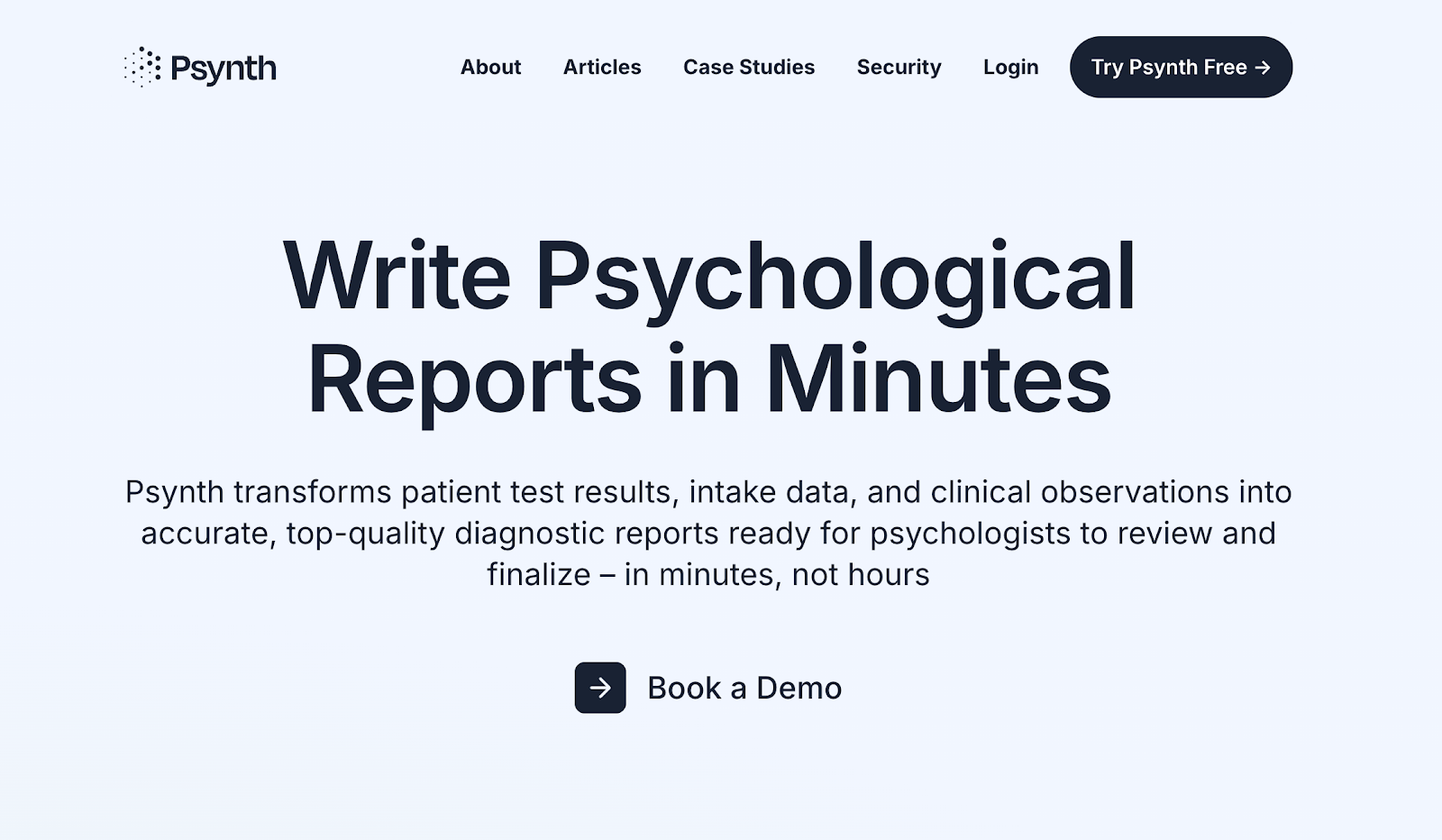
Do you spend your weeknights and weekends writing reports? Psynth helps you reclaim that valuable time by transforming raw intake data, clinical observations, and therapy notes into high-quality diagnostic reports.
All you need to do is upload PDFs, images, and even handwritten notes. The AI-enabled software processes your clinical documentation as-is and generates a draft report within minutes.
Each draft implements up-to-date best practices in psychological reporting. It also includes valuable input from expert psychologists and psychometrists to ensure PhD-smart results.
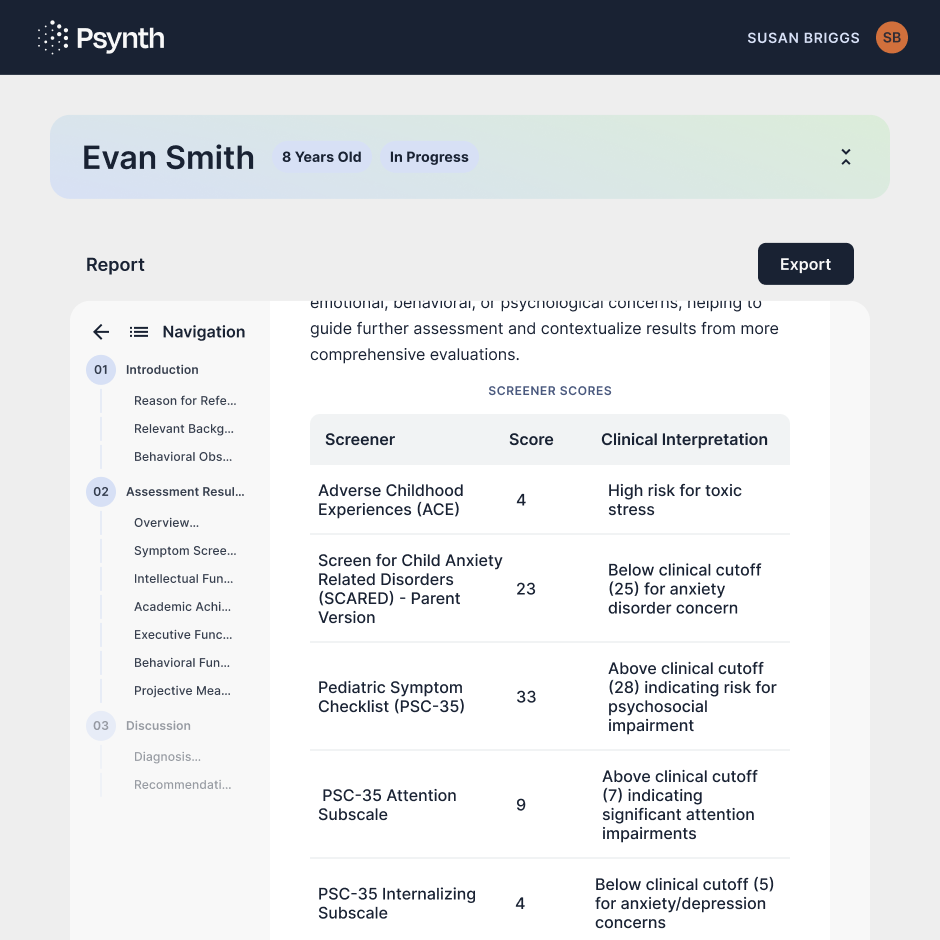
Psynth also supports over 370 (and counting) standardized assessments to streamline your reporting workflow.
It even provides evidence-based findings and clear explanations to support your clinical judgment and ensure accuracy. Meanwhile, automated quality control checks flag inconsistencies or missing information for your review.
On top of these benefits, Psynth offers a fully HIPAA-compliant AI tool. It supports the secure processing, storage, and transmission of sensitive health information.
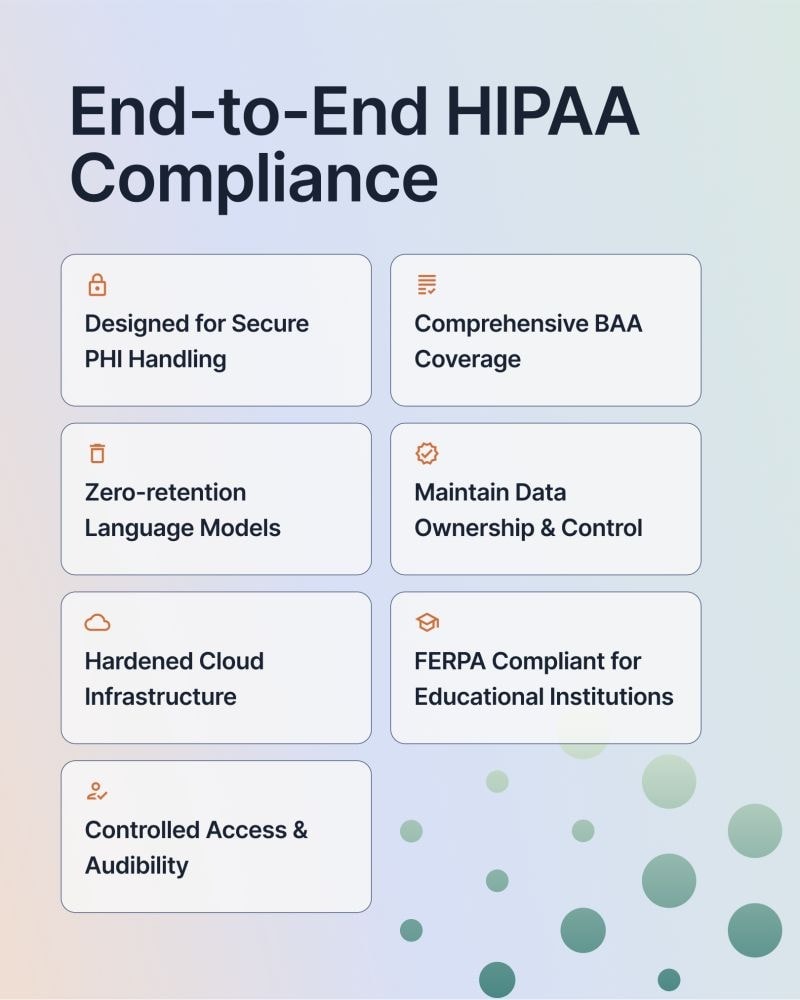
The system uses zero-retention language models. This means no data is ever stored, used, or cached. You retain ownership over all information processed within Psynth.
Plus, a signed business associate agreement (BAA) creates a contractual obligation to safeguard sensitive data and protect your psychology business.
Psynth is not designed for psychologists who want to eliminate the assessment process. The AI tool simply helps you write diagnostic reports faster. This gives you more time to think deeply, diagnose clearly, and grow your clinical practice.
Try Psynth for free today and complete reports in under 45 minutes!
Key Features
- AI-enabled report generation: Create high-quality drafts from raw intake data and test results in minutes instead of hours. Diagnostic reports follow best industry practices with input from expert psychologists and psychometrists.
- Seamless data intake: Psynth accepts PDFs, images, and handwritten notes without formatting required.
- Wide assessment coverage: The platform supports more than 370 psychological assessments, with space for other workflows that you might need.
- Customization options: Tailor reports to your voice, preferences, and clinical needs using your own words or AI-assisted prompts.
- Built-in quality checks: Detect inconsistencies or missing information for your review.
- Accurate diagnosis: Evidence-based findings and clear explanations support your clinical judgment.
- One-click export: Save reports as a Word file (.docx) without worrying about formatting issues.
- End-to-end HIPAA compliance: Psynth uses an encrypted Amazon Web Services (AWS) hosting environment that meets or exceeds HIPAA security requirements. It also offers a signed BAA and zero-retention models to safeguard sensitive data.
Request a demo today to see Psynth's features in action!
2. BastionGPT for Clinical Transcription and Assistance
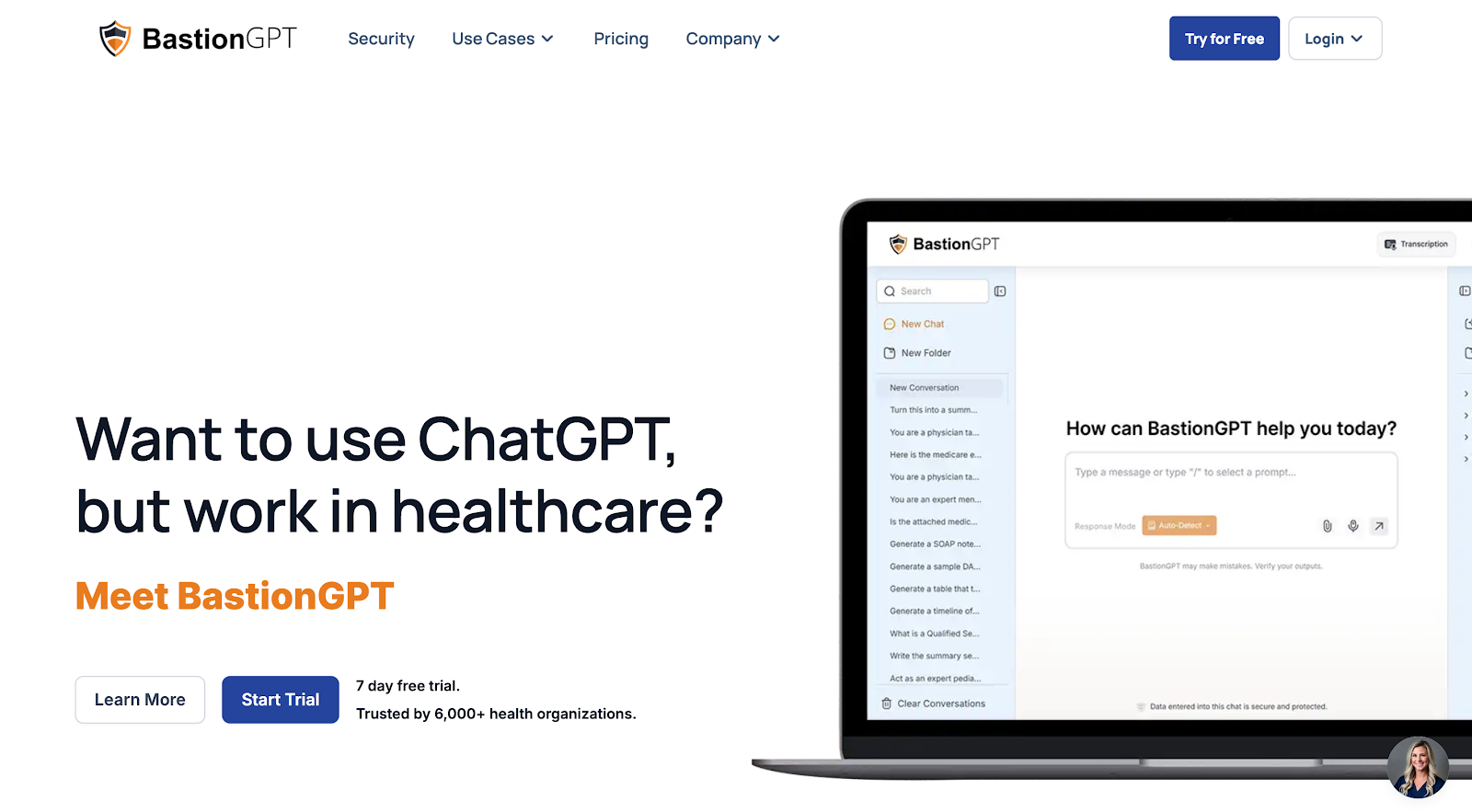
If you’ve ever wanted to use ChatGPT but worried about data privacy and HIPAA compliance, BastionGPT is a secure alternative to consider.
It follows best-in-class security practices and ensures the secure processing of sensitive data in compliance with HIPAA regulations. Meanwhile, regular vulnerability scans and internal assessments protect your information from evolving threats.
BastionGPT uses AI models designed for the needs of healthcare and mental health professionals. It transcribes audio from sessions, including multi-speaker recordings, and drafts progress notes in formats like SOAP, DAP, or BIRP.
The platform also handles large documents (up to 150,000 words), so you can upload full assessments and ask BastionGPT to summarize them.
It's built to prioritize medical principles, psychological concepts, and scientific accuracy from reputable healthcare resources. This helps you avoid errors and non-scientific recommendations commonly seen in general AI chatbots like ChatGPT.
Key Features
- AI clinical assistant: Ask BastionGPT to summarize large documents, analyze notes, and generate content that matches your personal writing style. This reduces administrative burden without compromising data security.
- Unlimited transcription: Convert audio recordings and therapy sessions into draft notes, summaries, and custom reports.
- Reduced content filtering: Discuss adult health topics, such as violence and sexual abuse, within the platform.
- Evidence-based intelligence: BastionGPT gathers data from reputable healthcare resources to ensure scientific accuracy.
- HIPAA-compliant software: The platform meets HIPAA regulations, conducts regular internal risk assessments, and provides signed BAAs for every plan.
3. Doxy.me for Telepsychology
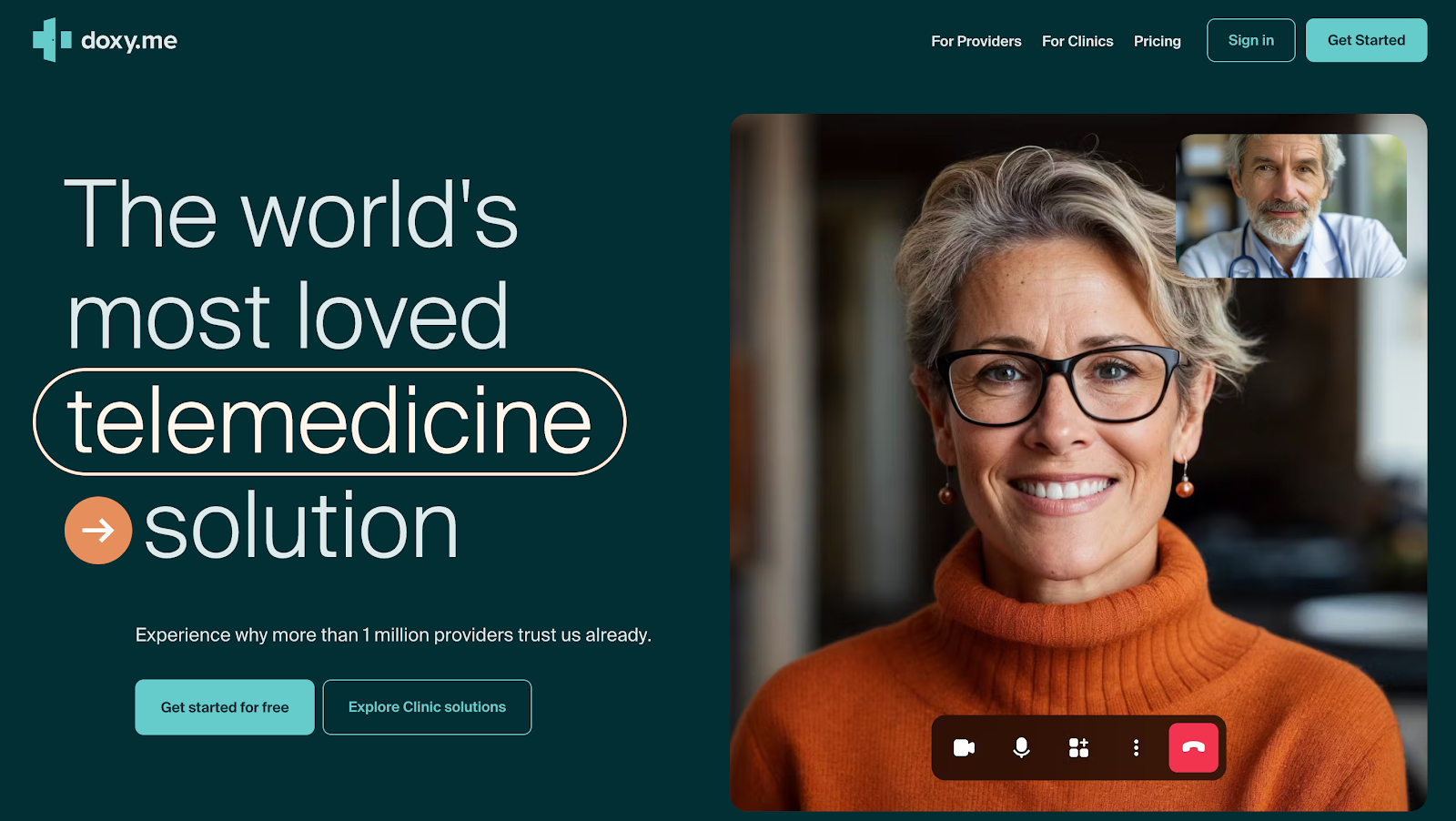
Doxy.me offers a secure telehealth solution for psychologists who serve clients remotely. It works entirely in the browser, allowing you to meet with patients from anywhere. This eliminates the need to download or install a separate app.
Doxy.me features high-quality video and audio to provide a seamless experience for clients. It also enables live chat during sessions.
Running late or expecting multiple clients for the day? A customizable waiting room helps patients recognize that they're in the right place and feel prepared for their appointment.
There's also a meeting history to support clinical documentation, billing, and insurance. It records session details without storing or exposing sensitive data.
The platform even meets HIPAA, GDPR, PHIPA/PIPEDA, and HITECH requirements. Video calls and chats don't store protected health information (PHI) and remain private at all times.
Key Features
- Secure telehealth appointments: See patients from anywhere and deliver better care remotely. High-definition video and reliable audio provide a smooth experience for your client.
- Browser-based access: Send a link where clients can join telehealth sessions without downloading a separate app or creating an account.
- Live chat: Stay connected with one client through chat while speaking with another patient by phone or video.
- Personalized waiting room: Customize your waiting area with text, pictures, or videos while patients wait. You can also check if your clients have arrived to manage appointments quickly.
- Meeting history: Track the date, time, and duration of every session for documentation, billing, and insurance purposes.
Standardized Tests
Standardized tests help you screen symptoms, rate severity, and form a clearer view of a client’s experiences and needs.
1. Minnesota Multiphasic Personality Inventory (MMPI)
The MMPI is one of the most used tools in psychological testing. It's designed to assess personality traits and psychopathology. This supports more accurate diagnosis and treatment planning.
The Minnesota Multiphasic Personality Inventory comes in different versions. MMPI-3 is the latest edition, whereas MMPI-A is tailored for adolescents between 14 and 18 years of age.
The MMPI-3 includes 335 true or false statements that the individual answers about themselves. It also uses different scales (clinical, validity, content, PSY-5, disordered eating, compulsivity, impulsivity, and self-importance) to measure common diagnoses.
Psychologists score each scale and compare the results with large reference groups. Higher scores often point to stronger symptom patterns of a particular psychological trait or mental health condition.
2. Beck Depression Inventory (BDI)
The Beck Depression Inventory is a self-report measure that evaluates the presence and severity of depressive symptoms.
Many psychologists use the BDI to check how clients respond to treatment. This standardized tool also provides valuable insights into mood changes and patient progress.
The test consists of 21 questions, with each item rated from 0 to 3. Clients choose the statement that best reflects their experience during the past two weeks.
The total score ranges from 0 to 63. This shows whether symptoms fall in minimal (0-13), mild (14-19), moderate (20-28), or severe levels (29-63). Higher total scores indicate more severe depressive symptoms.
3. Beck Anxiety Inventory (BAI)
The BAI helps psychologists measure clients' symptoms linked to anxiety disorders. Each item focuses on how often patients feel subjective and physical anxiety symptoms, such as fear, panic, nervousness, dizziness, numbness, and trembling.
The test differentiates anxiety from depression by excluding overlapping depressive symptoms.
It includes 21 questions that take only a few minutes to complete. The test is scored by adding the points for all the questions.
4. Patient Health Questionnaire (PHQ-9)
The Patient Health Questionnaire is a popular self-report tool used for screening, diagnosing, and monitoring depression severity.
It provides a clear view of the client’s mental health and helps you spot warning signs early.
The test has nine questions. Each item asks about a common symptom and how often it occurred over the past two weeks. Clients choose a rating from 0 (not at all) to 3 (nearly every day).
The total score helps psychologists classify depression as minimal (0-4), mild (5-9), moderate (10-14), moderately severe (15-19), or severe (20+).
5. Wechsler Adult Intelligence Scale (WAIS)
The WAIS measures cognitive abilities, verbal comprehension, working memory, processing speed, and reasoning in adults.
The test includes multiple subtests that focus on a specific skill area. Clients complete tasks, such as solving puzzles, recalling information, or answering questions.
Psychologists score each subtest and form index scores that reflect different thinking skills. The combined results create a full-scale score. Higher scores show stronger performance, while lower scores highlight areas that may need further review or support.
Risk Assessment Tools
Risk assessment tools help you review safety concerns, study behavior patterns, and form clear judgments about a client’s mental state.
1. Columbia-Suicide Severity Rating Scale (C-SSRS)
The C-SSRS is a critical part of suicide risk screening. It reviews human behavior, current thoughts, and any plans a client may have.
The tool includes a series of simple, plain-language questions that psychologists, licensed therapists, and other mental healthcare professionals can ask.
Clients respond to clear yes-or-no items and short rating scales. They also reveal whether the thought or behavior occurred recently, within the past three months.
Psychologists score each item based on intensity and recent behavior. Higher scores point to stronger risk signals, which require immediate intervention. Lower scores show fewer warning signs.
2. Suicide Probability Scale (SPS)
The Suicide Probability Scale measures the risk of self-harm in adults and adolescents over 13 years old.
The SPS evaluates four clinical scales, including hopelessness, suicide ideation, negative self-views, and hostility, across 36 test items.
Clients rate statements based on how closely they match their current experience. The questions are short and easy to understand, which makes SPS helpful for many settings.
The scores are tallied and compared across scales. Higher scores show stronger suicide risk patterns and the need for closer follow-up.
3. Violence Risk Appraisal Guide (VRAG)
The Violence Risk Appraisal Guide is a 12-item actuarial risk assessment that reviews the risk of violent behavior among psychiatric patients.
The VRAG is one of the most essential tools in forensic psychology and correctional settings. It's also used alongside other psychological assessments to consider individual factors and context.
When scoring VRAG, psychologists assign points for various historical and demographic factors. The total score predicts the likelihood of future violence, with higher sums indicating stronger risk.
Clinical Interviews
Clinical interviews assess a client’s history, current concerns, and daily functioning to form a clearer view of their needs. Here are the most common tools and structures you can use:
1. Structured Clinical Interview for DSM-5 (SCID-5)
The SCID-5 guides psychologists in evaluating various mental health disorders based on the Diagnostic and Statistical Manual of Mental Disorders (DSM) criteria.
The SCID-5 is a semi-structured diagnostic interview guide. It provides a flexible framework of questions to evaluate symptoms and make diagnoses across different psychological conditions.
These include depression, anxiety, schizophrenia, post-traumatic stress disorder (PTSD), substance use disorders, and personality disorders.
2. Mini International Neuropsychiatric Interview (MINI)
The MINI is a structured interview method for screening major psychiatric disorders according to DSM-5 and ICD-10 diagnostic criteria.
This interview is designed to be brief, which only takes 15 minutes to complete. It provides a fast and accurate diagnostic assessment for psychologists, clinical trials, and other large-scale research settings.
3. Diagnostic Interview Schedule (DIS)
The DIS is a highly structured interview tool used for diagnosing psychiatric disorders based on DSM criteria. It also records demographic information and symptom chronology to determine whether disorders are current or lifetime.
It includes a set of questions that clients answer in a specific order to ensure consistency across different interviews.
Therapy Techniques and Interventions
Psychologists use various therapy techniques to improve mental health care, enhance self-awareness, and help clients build coping skills. Below are the most effective interventions to consider:
1. Cognitive Behavioral Therapy (CBT)
CBT is a structured treatment approach that focuses on the link between thoughts, feelings, and actions. It helps clients replace negative thoughts with balanced ones.
The goal is to reduce distress, improve daily functioning, and build coping skills.
2. Dialectical Behaviour Therapy (DBT)
DBT is a skills-based therapeutic process designed to help clients manage strong emotions, develop safer responses, and build healthier relationships. It combines mindfulness, emotional state regulation, distress tolerance, and communication skills.
DBT is primarily used to treat mental health conditions, such as Borderline Personality Disorder (BPD), PTSD, depression, anxiety, and substance or alcohol use disorders.
3. Acceptance and Commitment Therapy (ACT)
ACT is a behavioral approach that helps clients accept difficult internal experiences while moving toward meaningful actions. It teaches mindfulness, values clarification, and skills for separating thoughts from automatic responses.
The purpose of ACT is to help clients build psychological flexibility, reduce avoidance, and make choices that align with their values, even when facing uncomfortable emotions or thoughts.
Psynth's AI Tool Writes Psychological Reports in Minutes
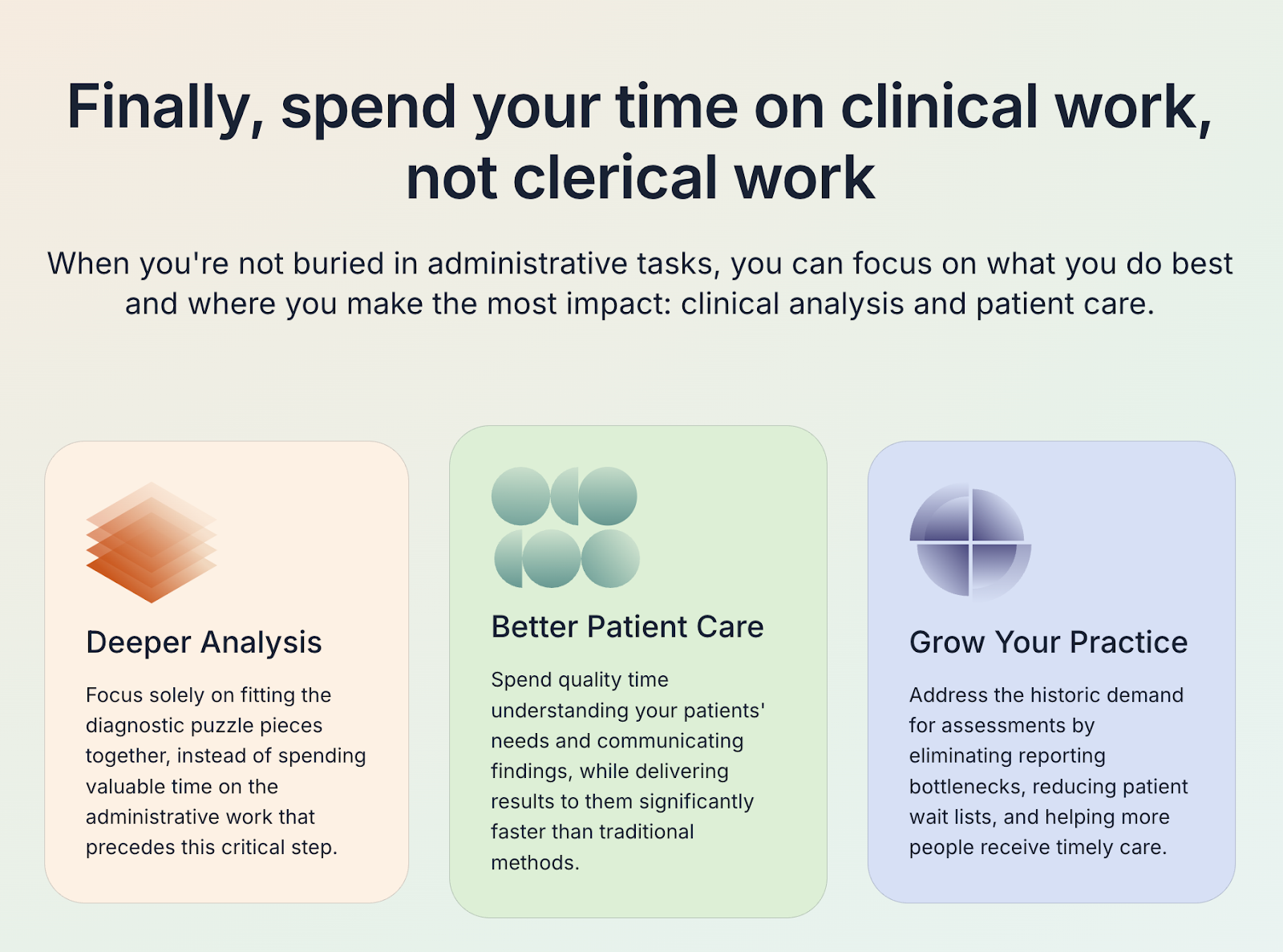
Psynth is among the best digital tools that psychologists can use to improve their clinical workflow and provide better patient care.
It uses AI to transform test results, interview notes, and assessments into high-quality diagnostic reports in minutes. This significantly cuts hours of manual writing and helps you regain time for direct patient work.
The software is built on validated, up-to-date best practices in psychological reporting. It also includes observations from expert psychologists and psychometrists to ensure clear, accurate reports.
Every draft is customizable using AI-assisted prompts or manual input. This lets you tailor results to your unique voice, preferences, and clinical needs.
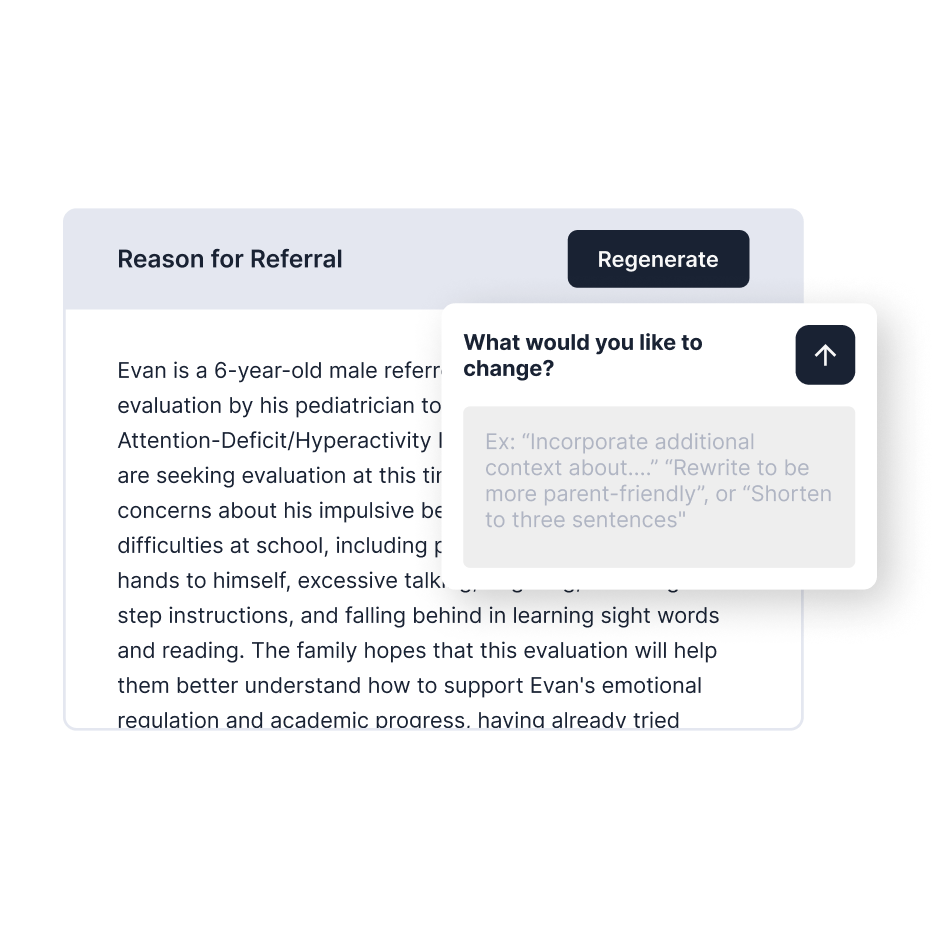
Psynth also supports more than 370 standardized assessments to streamline the reporting process for psychologists.
In fact, Psynth has changed more than workflow speed. It also expanded assessment capacity for Dr. Fladhammer.
Before Psynth, she used to spend 3 to 4 hours writing reports. With Psynth, that same report writing process now takes around 15 minutes for a first draft and less than an hour to finalize. Dr. Fladhammer noted, “Psynth does the heavy lifting — I just refine.”
Try the platform for free today and complete psychological reports in less than 45 minutes!
Frequently Asked Questions
What tools do clinical psychologists use?
Clinical psychologists use digital software, psychological tests, interview methods, and evidence-based interventions to support assessment and treatment processes. These tools help organize information, track progress, and improve the client's mental well-being.
What are the tools in psychology?
Tools in psychology are methods, systems, or digital platforms that help psychologists gain insight into the client's current mental state. These guide diagnosis and treatment planning.
What are the three psychological tools that can be used?
Three popular psychological tools include standardized tests, clinical interviews, and therapy techniques. Each plays a different role in treatment. Tests measure symptoms, interviews gather stories and context, and therapy methods guide personal growth and change.
What is the primary tool psychologists use?
The primary tool psychologists use is psychological assessment instruments, which cover standardized tests, self-reflection questions, and behavioral evaluations. These help clinicians diagnose mental health conditions, plan treatment, monitor progress, and conduct research.
See Psynth work in real time
We’ll demo an end-to-end report writing process and answer any questions along the way. (Yes, it’s so quick, we can get through it all during a single call.)