See All

Psychological Testing and Assessment Reports That Work
Psychological testing and assessment reports should do more than summarize scores. Here's what a report actually needs to accomplish — and where most fall sh...
Author

Reviewed By

Share This
Psychological Testing and Assessment Reports That Actually Work
You finished the WISC-V, the BASC-3, and the BRIEF-2. You've got scores. You've got behavioral observations. You've got a parent who cried in the waiting room and a teacher who wrote three pages of concerns. And now you're staring at a blank document at 8 pm, wondering how to turn all of that into something that will actually help this kid.
That's the thing about psychological testing and assessment that nobody tells you in grad school. The hard part isn't the testing. The hard part is the report.

What Is a Psychological Report Even For
Look, this sounds like a dumb question. But I've reviewed a lot of reports over the years, from my own and colleagues, and I think a lot of us have quietly lost the thread on this.
The APA Guidelines for Psychological Assessment and Evaluation are pretty clear that assessment reports should integrate test findings with clinical context to inform decision-making. Not just restate scores. Do not transcribe subtest tables. Inform decisions for a real person with a real problem.
Which means the report has a job. A few of them actually.
It has to communicate to the parent who has never seen a standard score in their life. It has to hold up in an IEP meeting where someone will read one paragraph and make a placement decision. It has to be defensible if there's ever a complaint, a legal proceeding, anything. And it has to actually say something true and useful about the child or adult sitting in front of you.
That's a lot to ask of a document you're writing at 8 pm after a full day of sessions.
[KEY TAKEAWAY: A report that just restates scores isn't a report. It's a spreadsheet with paragraphs.]
Where Most Reports Break Down
The score summary trap. This is the big one. I see it constantly, and I've done it myself, honestly, especially when I'm fried. The report becomes a tour of each measure, what was administered, what the scores were, and maybe a line about what the subtest measures. Then a diagnosis. Then recommendations.
Nobody who reads that knows what to do with it. The scores don't speak for themselves, no matter how many times we act as if they do.
The other failure mode is the boilerplate narrative. Generic interpretive language that technically corresponds to the score range but could apply to a hundred different kids. A Processing Speed Index in the low average range does not tell you the same story for every kid who earns it. The NIH/NCBI Overview of Psychological Testing makes this foundational point: psychological testing is part of a comprehensive assessment process, meaning the numbers exist to support clinical judgment, not replace it.
The report has to be synthesized. It has to say something about how the WISC-V profile connects to what the teacher is seeing in the classroom, what the Conners-4 parent and teacher forms agreed on, where they diverged, and why that matters. When tests don't agree, that synthesis is the whole point. That's what makes it clinical.
And synthesis takes time. A lot of it. According to thetestingpsychologist.com, psychologists are spending up to 6 hours on report writing per assessment. That's not surprising if you've done this work, but seeing it written down is still a little bleak.
▶ Psychological Assessment – An overview of theoretical, practical, and industry trends
What a Report Actually Needs to Do
Here's my working list. Not exhaustive, not from a textbook, just what I think about when a report is actually doing its job.
It has to answer the referral question. Sounds obvious. Is not always done. If someone referred because they want to know whether this adult's memory complaints are consistent with early cognitive decline, the report should answer that. Directly. Do not make the reader assemble the answer from six pages of scores.
It has to tell a coherent story across instruments. The WAIS-5 tells you one thing, the MMPI-3 tells you something else, and the clinical interview adds more. A good report holds all of that together into a coherent picture. Cross-instrument coherence is not a bonus feature; it's the clinical product.
It has to be readable by its intended audience. The NASP professional standards emphasize communication of results to multiple audiences, not just other psychologists. Parents, teachers, case managers, and sometimes attorneys. If the language is impenetrable, the report fails even if the interpretation was excellent.
It has to be defensible. Score-anchored, data-grounded. Every interpretive claim is traceable back to something you measured. This matters more than ever right now.
It has to say something about what happens next. Recommendations that are specific enough to act on. Not "consider therapy." Which kind, for what target, with what frequency, working on what?
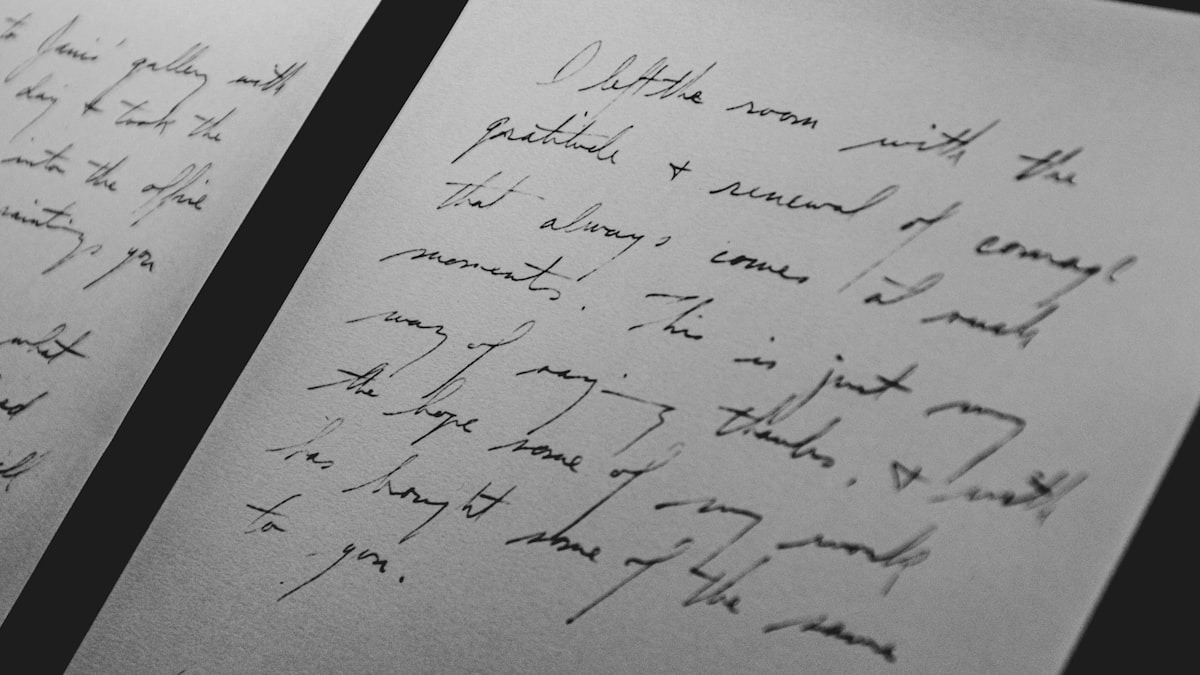
The report is the clinical product. Not the testing. The report.
The Synthesis Problem Is a Cognitive Load Problem
Here's what I actually think is happening when reports come out thin or generic. It's not that psychologists don't know how to synthesize. It's that by the time we sit down to write, we've used up our capacity.
You've done the testing, scored everything, held the clinical interview, managed whatever happened in the room (and something always happens), and now you're supposed to produce a nuanced interpretive narrative from a working memory that is genuinely depleted. This is what cognitive load research would predict. It's what the Job Demands-Resources model (Bakker & Demerouti) would predict. You're running a high-demand job with limited resources, and the most cognitively demanding task is last in the queue.
The PMC article on ethical issues in psychological assessment gets at this, too: the pressure on psychologists to produce thorough, accurate, ethically sound reports while managing real constraints on time and cognitive capacity. That tension is not going away on its own.
This is where I'll mention Psynth, because it's where it actually fits. It takes your testing data and builds an interpretive draft, a V1 Report, so you're not starting from a blank document. The synthesis scaffolding is already there. You're editing, adding clinical nuance, catching where the instrument-aware synthesis got something slightly off, given what you know about this particular client. That's a very different cognitive task than generating from scratch at 8 pm. Private Practice Psychology Assessment: The Hidden Costs
Dr. Lexie Molina went from spending 3 to 4 hours on a first draft to about 15 minutes. That's not a small difference in a solo practice. That's the difference between working weekends and not.
What Good Documentation Actually Looks Like
The APA's education and training guidelines on psychological assessment emphasize that thorough integration of test results with client context is foundational to a comprehensive case formulation. This is a formal way of saying the report should treat the person as a person, not a score profile.
Good documentation, Clinical Documentation Fragmentation Is Costing You, puts the referral question at the center, and builds outward from there. It's honest about limits and where certainty ends. It uses clinical hedging language where appropriate, not to hedge everything into meaninglessness, but to be accurate about what the data can and can't support. It flags where test performance may have been affected by factors outside the construct being measured. It doesn't overclaim.
It's actually harder to write a good report than a bad one. What is the other thing nobody tells you?

The Report Is the Work
You could do the most sophisticated, thoughtful psychological testing and assessment on the planet and have it mean nothing if the report doesn't carry it. That's the part that goes to the parent, to the school, to the treatment team. That's what gets used.
Psynth builds the interpretive draft from your test data so the report does what it's supposed to — try it on your next case at psynth.ai.
Frequently Asked Questions
Can I review Psynth's security policies?
Yes. Our Trust Center at trust.psynth.ai makes every policy, control, and certification status available for review.
Can I see my psychologist's notes?
Clients can usually access their official records, such as progress notes, but not private process notes. Psychologists may withhold notes that could cause harm or violate mandatory reporting laws. Access depends on clinic policy, documentation type, and legal requirements within your state or country.
What is a psych intake like?
A psych intake feels like a guided conversation. You welcome the client, explain what will happen, and ask focused questions. You listen to their story, ask follow-ups, and write down notes. To confirm clinical impressions, you may use screeners or conduct assessments. You end the intake by summarizing what you've learned and sharing next steps.
Where is my patient data stored?
Canadian patient health information is stored exclusively on servers located in Ontario Canada.
Does Psynth diagnose patients or replace the psychologist?
No. Psynth drafts and organizes the report. The psychologist reviews it, makes the diagnosis, and signs off. The clinician is always in the loop.
Does Psynth store Canadian patient data in Canada?
Yes. Canadian patient data is stored and encrypted at rest in Canada.
See Psynth work in real time
We’ll demo an end-to-end report writing process and answer any questions along the way. (Yes, it’s so quick, we can get through it all during a single call.)