See All

I Used AI on a Report and Felt Weird About It
Used AI on a psych report and felt weird about it? You're not alone. Here's what the research says about AI psychological report writing and how to do it right.
Author

Reviewed By
Share This
Used AI for Psychological Report Writing and Felt Weird About It
When you use AI for a real report for the first time, it feels different. You read the draft and think it’s actually pretty good. Then you wonder if you should be using it at all. Later, you close your laptop and keep thinking about it on your way home.
Feeling uneasy isn’t a bad sign. It likely means you care about your work. In fact, early research on AI in clinical settings shows that hesitation is the norm—not the exception—especially when tools affect clinical judgment. Still, it’s important to think about, because the field is changing whether we’re ready or not. AI in psychological report writing is now common—it’s in our journals, ethics guidelines, and more often, in our daily work.
I’m not here to convince you to use AI. Instead, I want to share what research and professional standards actually say, explore where the discomfort comes from, and show how some clinicians are using AI tools in ways that feel right for their practice.

Why AI Report Writing Has Landed in the Conversation at All
Writing psychological reports takes a lot of time—not because we’re slow, but because the work is truly complex. A full psychoeducational evaluation might include the WISC-V, BASC-3, Conners-4, teacher and parent rating scales, observations, record reviews, and a referral question that changes several times. Pulling all of this into a clear, clinically sound narrative takes hours.
The conversation about AI tools in psychology has grown because the time pressure is just too much. NASP workforce data shows many school psychologists have caseloads two or three times higher than recommended. This isn’t just about feeling busy—studies have linked excessive caseloads to delayed evaluations and reduced access to services for students. In private practice, report backlogs often force us to stop taking new referrals—not because we can’t do the clinical work, but because we can’t keep up with the paperwork. Often, the waiting list problem is really a documentation problem.
This is why AI psychological report writing came about—not as a trendy new thing, but as a real solution to a serious problem in our field.
The skeleton vs. soul model
Writing psychological reports takes a lot of time—not because we’re slow, but because the work is truly complex. A full psychoeducational evaluation might include the WISC-V, BASC-3, Conners-4, teacher and parent rating scales, observations, record reviews, and a referral question that changes several times. Pulling all of this into a clear, clinically sound narrative takes hours.
The conversation about AI tools in psychology has grown because the time pressure is just too much. NASP workforce data shows many school psychologists have caseloads two or three times higher than recommended. This isn’t just about feeling busy—studies have linked excessive caseloads to delayed evaluations and reduced access to services for students. In private practice, report backlogs often force us to stop taking new referrals—not because we can’t do the clinical work, but because we can’t keep up with the paperwork. Often, the waiting list problem is really a documentation problem.
This is why AI psychological report writing came about—not as a trendy new thing, but as a real solution to a serious problem in our field.
What the Research and the APA Actually Say
The research on this topic is still new but growing, and it’s more nuanced than most people realize.
A 2025 peer-reviewed study in Assessment asked 249 licensed psychologists to rate both AI-generated and human-written psychological reports for quality, readability, and how comfortable they felt approving them. The results were mixed: AI reports were just as readable and well-structured, but psychologists were much less comfortable approving them without reviewing first. This doesn’t mean AI report writing is bad—it just shows that reviewing the reports is essential.
In June 2025, the APA released official ethical guidance for using AI in health service psychology. The document doesn’t ban AI-assisted report writing. Instead, it stresses that psychologists are still fully responsible for their reports, must check AI tools for accuracy and bias, and must make sure patient data handled by AI meets the same privacy standards as any other part of care.
A recent NIH framework on AI and neuropsychological assessment made a similar point. It says AI tools are most defensible when they help, not replace, the examiner’s interpretation. Having a human involved isn’t just helpful—it’s the ethical and clinical foundation of the process.
[KEY TAKEAWAY: The APA does not prohibit AI report writing. It requires that the psychologist remain responsible for the final product and that AI tools meet clinical and privacy standards.]
Is AI Psychological Report Writing Actually HIPAA-Compliant?
This is where many practitioners get confused, and it’s easy to see why.
General-purpose tools like ChatGPT or standard Claude are not covered by a Business Associate Agreement with your practice. Using them with identifiable patient data is a HIPAA violation, full stop. This is not just a word of caution. Federal guidance clearly states that without a Business Associate Agreement, these tools do not meet HIPAA requirements.
Platforms built specifically for AI psychological report writing are different. These are designed for clinical use, have a signed BAA, and don’t store patient data after processing. If you’re considering a tool like this, these are the first things you should check.
If you want a detailed overview of what to look for, the HIPAA-compliant AI tools guide is a good resource to read before adding anything new to your workflow.
I use Psynth for my own assessment reports. It’s SOC 2 Type 2 and ISO 27001 certified, HIPAA and PIPEDA compliant, and third-party verified. These certifications don’t make the clinical work itself better, but they do make sure the foundation is solid before you can benefit from any workflow improvements.
What Does the Clinician Review Workflow Actually Look Like?
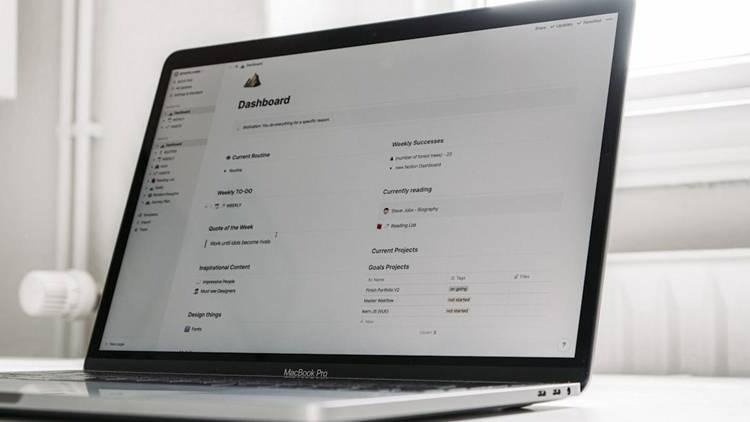
A lot of the discomfort practitioners feel at first comes from not knowing what the workflow actually looks like. The idea that AI just “writes your report” isn’t accurate, and it can lead to the wrong expectations. This is similar to what we see in healthcare overall. AI usually works best as a tool for drafting, rather than making final decisions.
Here’s what really happens: you upload your test scores, notes, and background information. The platform then pulls all that together into a first draft, organized by section and based on the scores you provided. Whether it’s the WISC-V, BASC-3, adaptive behavior data, or other tools, everything is included in a draft that matches your actual data.
Next, you review and edit the draft. You add your clinical voice, your observations, the background context, and your interpretation of what the findings mean for this person’s daily life. The recommendations section, in particular, needs your expertise, not just what the AI suggests. For psychoeducational evaluations that affect IEP planning or IDEA eligibility, your final review is where the most important work happens.
The ethical framework in Clinical Neuropsychologist is clear: AI tools that create report drafts from test data are fine to use in clinical practice as long as clinicians keep real oversight, check the output for accuracy and bias, and use their own judgment before sending out any report. The issue isn’t using AI drafts—it’s treating a draft as if it’s a finished report.
[KEY TAKEAWAY: AI generates the structure. You provide the interpretation. Reports that leave your desk are entirely yours, including the legal and ethical responsibility for their content.]
Being able to customize the tone and structure of your reports is important too. A good platform lets you adjust the output to fit your clinical voice, your narrative style, and your preferred section order. The draft you get shouldn’t sound like someone else wrote it—it should feel like a solid starting point that you can make your own.

Does AI Actually Learn Your Clinical Voice?
This is a real concern, and the answer depends on which platform you use.
People worry that reports will end up sounding generic and all the same. After years of developing your own clinical voice—how you describe strengths and write recommendations families can use—it’s natural to worry that AI will turn your work into something that just reads like a template.
Good platforms solve this by letting you customize: you can save your favorite phrases, adjust how you interpret results, change the section order, and keep refining the output so it matches your style. This isn’t a small detail—it’s what separates a tool that helps you from one that takes away your professional voice.
At first, you’ll need to edit the reports more. That’s normal—you’re adjusting the output to fit your standards. Over time, with a customizable platform, the difference between the draft and what you would have written gets much smaller.
There is not much research yet on personalization in clinical AI, but early results show that customizable systems make clinicians more satisfied than fixed templates.
The Discomfort Is Worth Sitting With, But Not Indefinitely
It’s important to take that uneasy feeling seriously. Clinical reports have legal weight. They influence diagnoses, school placements, and treatment decisions. They reflect your professional judgment, so the stakes are high.
But feeling uncomfortable isn’t the same as causing harm. We’ve seen this pattern before. When electronic health records and standardized assessment tools were first introduced, people were hesitant, but over time they became standard practice. Every new tool—whether it’s an instrument, software, or scoring method—has gone through a period of uncertainty before becoming routine. The real question isn’t whether AI report writing feels odd at first. It’s whether, with the right platform, review process, and clinical judgment, it helps you produce reports that meet your standards.
For the practitioners I know who have gotten used to it, the answer is yes. It’s not that AI is doing their clinical thinking—it’s just taking care of the time-consuming synthesis work that was never really about clinical judgment in the first place.
If you want to see how this works in your own practice, Psynth offers a free trial. You can try it with your real testing data, and the first draft will show you more than any blog post ever could.
If you’d like to talk it over before making a decision, the offer below is real: we can have a short conversation about whether AI psychological report writing fits your specific work—or not.
If you’re curious about whether AI fits your workflow, you can book a 20-minute conversation to see how it works in practice.
See Psynth work in real time
We’ll demo an end-to-end report writing process and answer any questions along the way. (Yes, it’s so quick, we can get through it all during a single call.)